
The Power of English in Jiu Jitsu Success
Brazilian Jiu Jitsu has become one of the most global martial arts in the world. Every year, athletes, coaches, and practitioners from dozens of countries meet on the mats to train, compete, and share knowledge. While technique is universal, communication often is not — and this is where English makes the difference.
For practitioners who want to stand out, mastering English is more than just learning a language. It is a tool for:
- International Competition – expressing yourself in interviews, understanding referees, and connecting with other athletes.
- Learning Opportunities – accessing seminars, online courses, and training materials without limitations.
- Career Growth – teaching abroad, reaching more students, and working with global sponsors.
- Networking – building lasting friendships and professional relationships across cultures.
In today’s Jiu Jitsu community, English has become a bridge that connects knowledge and opportunity. Athletes who combine strong technique with strong communication open doors to experiences and recognition that go far beyond their local academies.
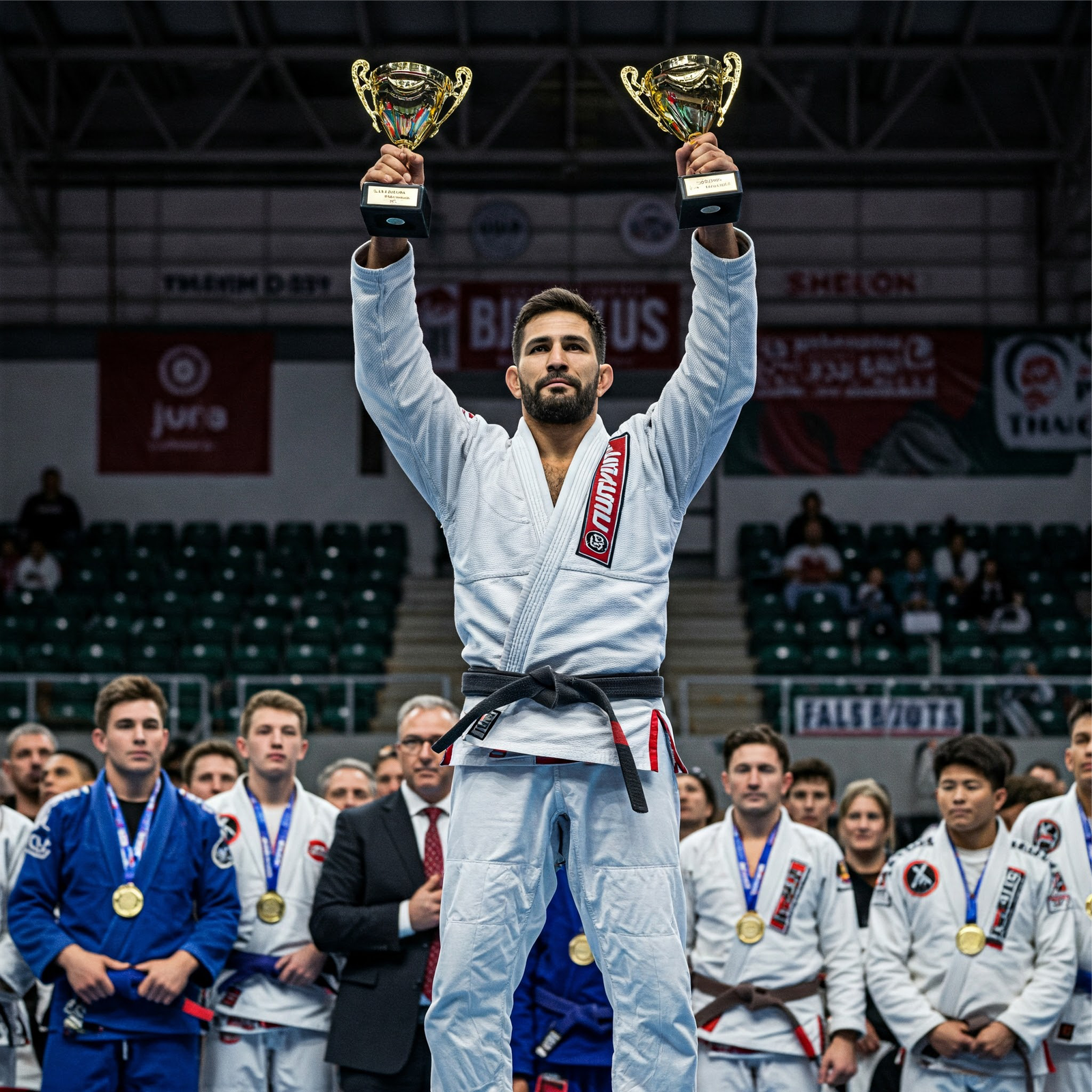

Can BJJ be bigger than MMA?
Fueling the Fighter: The Role of Nutrition, Rest, and Balance in Jiu Jitsu
In Brazilian Jiu Jitsu, technique and consistency are the foundation of progress — but true performance comes from taking care of the whole body and mind. What you eat, how you rest, and the way you train outside the mats all influence your results.
For Jiu Jitsu practitioners, success is built on four pillars:
- Nutrition for Energy and Recovery – balanced meals provide steady energy for training, while proteins, vitamins, and minerals accelerate recovery and keep your body resilient.
- Sleep for Restoration – quality sleep allows muscles to rebuild, reduces the risk of injury, and restores focus and motivation for the next session.
- Exercise Beyond the Mats – strength training, mobility work, and conditioning improve performance, protect joints, and give you more endurance in competition.
- Mental Health and Focus – managing stress, practicing mindfulness, and maintaining a healthy mindset are essential for clear decision-making and confidence on the mats.
Too often, athletes focus only on drills and sparring. But real growth in Jiu Jitsu comes from aligning body, mind, and lifestyle. Strong technique combined with proper nutrition, rest, exercise, and mental health creates not just a better athlete — but a healthier, stronger person in and out of the academy.

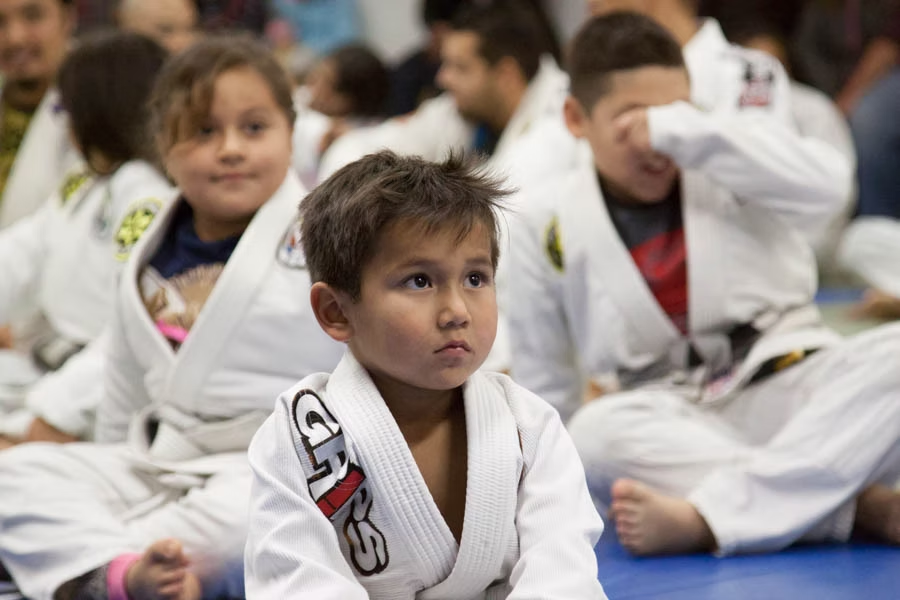
Choosing the Right BJJ Academy and Supporting Your Child on the Mats
Enrolling a child in Brazilian Jiu Jitsu can be one of the best decisions a parent makes. The benefits go far beyond learning self-defense: BJJ builds discipline, confidence, respect, and resilience. But these benefits depend a lot on two things — the academy you choose, and the way you support your child in training.
How to Choose the Right BJJ Academy
- Qualified Instructors – Look for experienced coaches with proper certifications and a good reputation in the community.
- Safe and Welcoming Environment – The academy should prioritize safety, cleanliness, and a positive atmosphere.
- Age-Appropriate Programs – Children need structured classes designed specifically for their age group.
- Values and Culture – A good academy teaches respect, teamwork, and humility — not just technique.
Your Role as a Parent
- Encourage Effort, Not Just Results – Praise their dedication and progress, even if they don’t win every roll or tournament.
- Trust the Coaches – Let the instructors guide the training; avoid coaching from the sidelines.
- Be Patient – Progress takes time. Some days will be tough, but consistency pays off.
- Promote Respect and Discipline – Reinforce the values your child learns on the mats at home.
Parents play a crucial role in shaping their child’s experience in BJJ. By choosing the right academy and supporting with patience and encouragement, you create the foundation for your child to grow stronger — both as an athlete and as a person.